
News

Qualifying a Second Source for Laboratory Components
A second source for laboratory components provides a practical option only when the alternate supply is defined and evaluated. Adding a supplier name to a spreadsheet does not establish interchangeability....

Pilot Kit Builds That Answer Production Questions
A pilot kit build is most valuable when it has defined questions to answer. Producing a small number of attractive samples is not the same as evaluating a repeatable assembly...

Medical Device Return Kit Packaging for OEM Programs
Medical device return kit packaging should be designed around the condition of the item being returned. A service return, an investigation sample and a used device can create different handling...

Managing Multiple Kit Variants on One Assembly Program
Multiple kit variant assembly can support different customers or market needs without creating entirely separate manufacturing programs. It also introduces the risk of mixing similar components, labels or instructions. The...
Expiration Date Coordination in Multi Component Reagent Kits
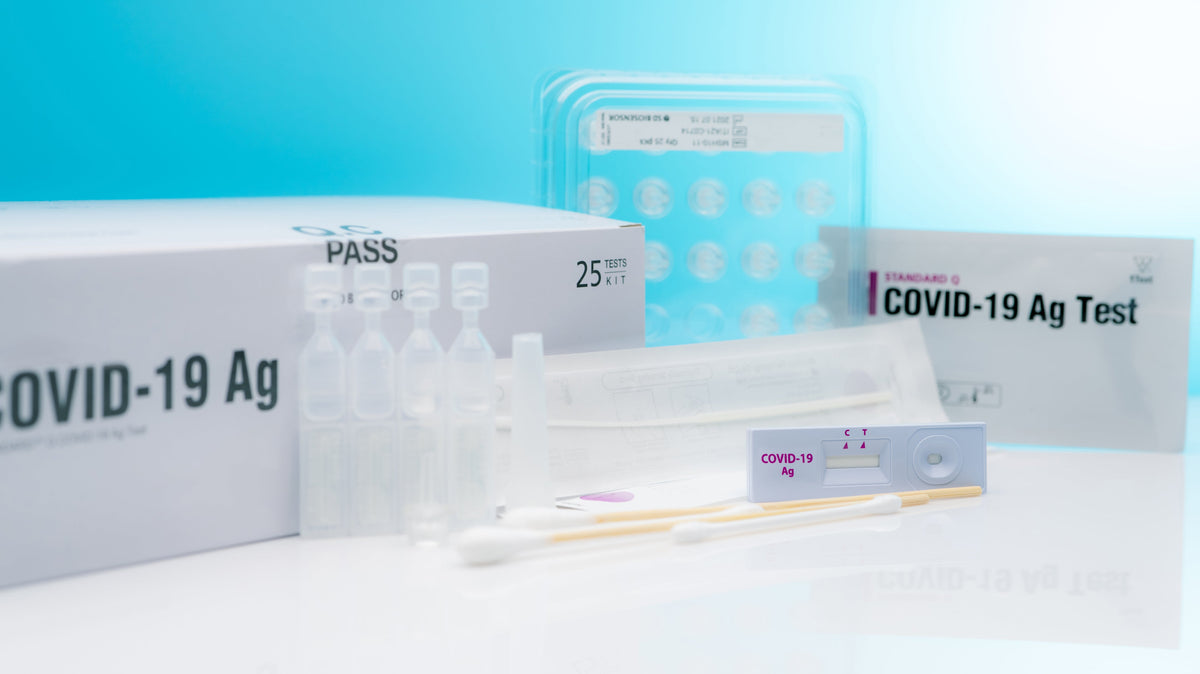
Reagent kit expiration date coordination requires a defined basis for the complete product. Several components may have different supported storage periods and handling conditions. An assembly date does not reset...

Customer Supplied Components in Contract Kit Assembly
Customer supplied components can simplify purchasing for a contract kit assembly project, but they do not eliminate materials-management work. The assembly site still needs to identify, accept, store and allocate...

Automation Compatibility for Laboratory Filter Plates
Laboratory filter plate automation compatibility is a system question. A plate's nominal format does not establish that it will work reliably with every gripper, deck position or liquid-handling sequence. OEM...
Preventing Missing Components in Diagnostic Kit Assembly
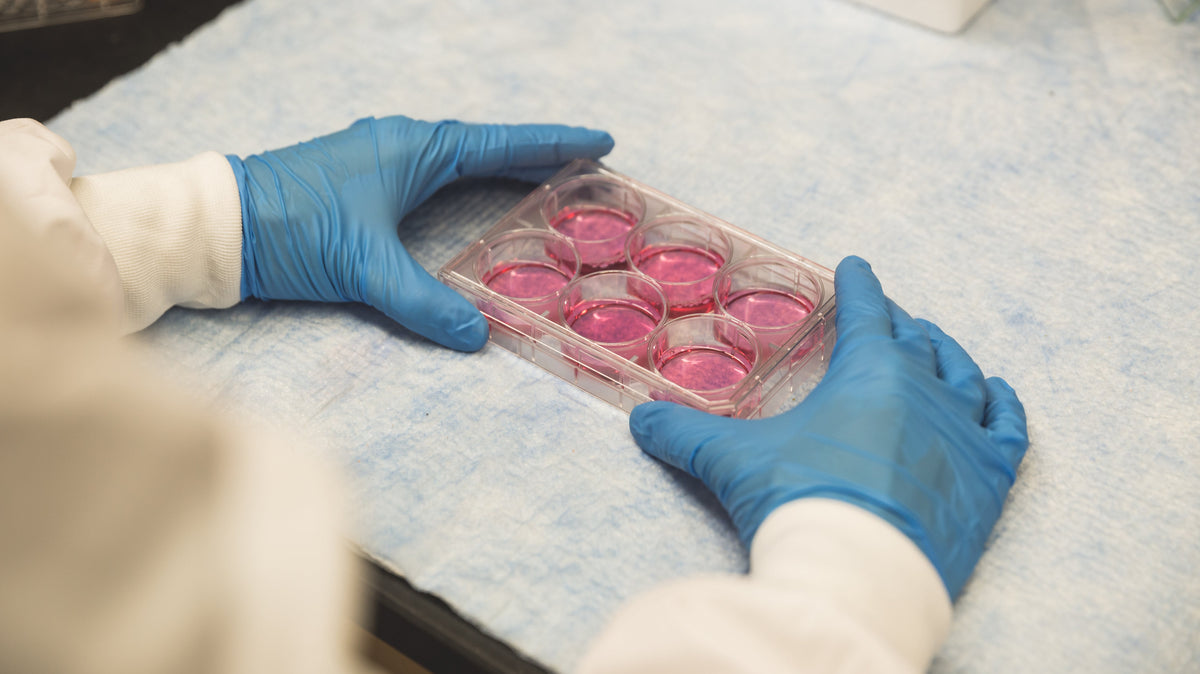
Diagnostic kit component shortages can delay an order even when nearly all the required materials are available. One missing accessory, wrong label revision or incomplete supplier shipment can stop kit...

Specifying a Silica Based Extraction Kit for OEM Production
OEM silica extraction kit manufacturing begins with a complete definition of the workflow. A kit is not just a column plus several bottles. Its components must support the selected sample...

Customer Supplied Purification Media in Spin Column Manufacturing
Customer supplied purification media can allow an OEM to keep its chemistry while outsourcing the plastic device and assembly. The arrangement requires more than shipping material to a manufacturer. Media...

Evaluating First Article Samples Beyond the Drawing
First article samples of molded parts should answer more than whether selected dimensions match the drawing. They also provide an opportunity to test mating components, assembly steps and handling. A...

Cosmetic Acceptance Criteria for Molded Laboratory Parts
Cosmetic acceptance criteria for molded parts help turn an opinion about appearance into a production decision. Without an agreed reference, one inspector may reject a faint mark while another accepts...
